


Articulation
Phonological
Motor planning and execution/childhood apraxia
Receptive language
Expressive language
Social-emotional communication
Prelinguistic communication
Early intervention
Developmental communication delays
Stuttering/cluttering
Dysfluency
Attention
Memory
Problem solving
Executive functioning
Phonation quality and loudness
Preventive vocal hygiene
Auditory processing
Augmentative and Alternative Communication (AAC)
Total/multimodal communication
AAC devices
Treatment Areas
Communication barriers related to:
Neonatal health concerns
Autism
ADD/ADHD
Learning differences
Developmental differences
Traumatic brain injury
Cerebral Palsy
Stroke
Dementia
Genetic syndromes
Apraxia
Echolalia
Treatment Approaches
Evidence-based practice (EBP): A decision-making model that integrates the best current scientific research, professional clinical expertise, and individual values and preferences
Family-centered care: Partnering with families to maximize everyday communication success.
Person-centered care: Aligning treatment with the individual's personal values and lifestyle.
Trauma-informed care: Creating a safe, supportive environment that recognizes emotional and psychological well-being.
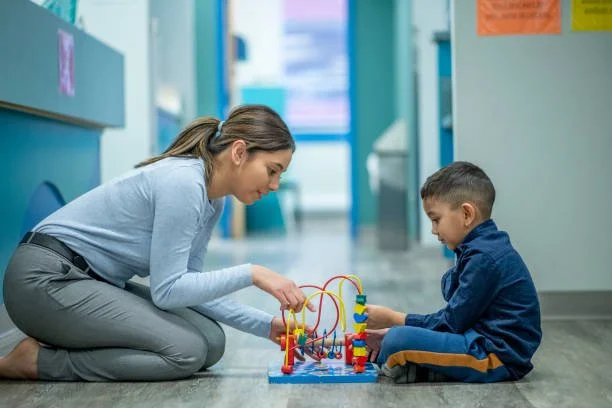
Child-led therapy: Engaging younger clients through natural, play-based interactions to foster organic development.
PROMPT technique: Utilizing tactile-kinesthetic Prompts for Restructuring Oral Muscular Phonetic Targets.
DTTC method: Applying Dynamic Temporal and Tactile Cueing to treat speech motor planning challenges.